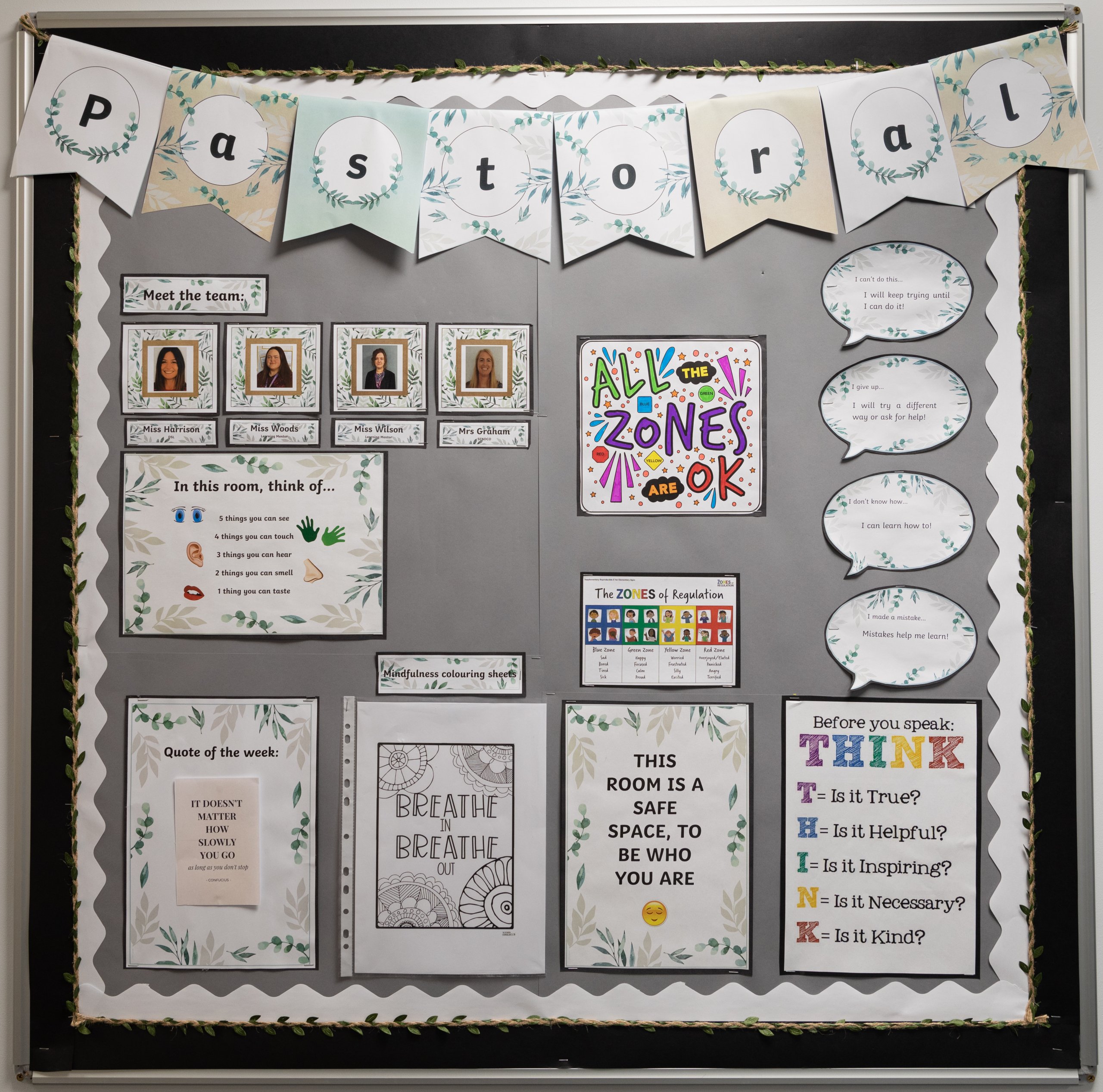
The Pastoral Team

Mrs L Downing

Miss R Woods
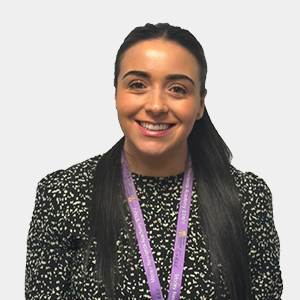
Miss L Cunliffe

Mrs R Barker

Mr B Taylor
Feedback from our Children & Parents / Carers
Student Received: Zones of Regulation, Ignite, Talkabout, Lego and check-ins.
Rated provided support from the pastoral team : Excellent
Rated the effectiveness of the support provided: 5*
Additional Comments: “They do an amazing job helping me and supporting me. They also help us deal with big emotions.”
Year 6 Student
Student Received: Check-ins, Lego and Talkabout
Rated provided support from the pastoral team : Excellent
Rated the effectiveness of the support provided: 5*
Additional comments: “I feel that they help me deal with my emotions and work.”
Year 6 Student
Student Received: Ignite, Zones of Regulation and Lego.
Rated provided support from the pastoral team : Good
Rated the effectiveness of the support provided: 4.5*
Additional Comments: “The support they give me is good and they help me with my autism”.
Year 6 Student
Child Received: Zones of Regulation, Talkabout and check-ins.
Rated provided support from the pastoral team : 5*
Rated the effectiveness of the support provided: 5*
Additional Comments: ‘The support helps my son stay regulated and feel safe in school, always having someone to talk to’.
Year 4 Parent
Child Received: Zones of Regulation, Talkabout and check-ins.
Rated provided support from the pastoral team : 5*
Rated the effectiveness of the support provided: 5*
Additional Comments: ‘Cannot thank the pastoral team enough for all the care, time and effort that they put in while with my child’.
Year 3 Parent
Child Received: Zones of Regulation, Talkabout and check-ins.
Rated provided support from the pastoral team : 5*
Rated the effectiveness of the support provided: 5*
Additional Comments: ‘All staff have been brilliant with support for my son and have such a difference to his everyday learning and support at school. Also have been brilliant with his self-esteem and mental health’.
Year 6 Parent
Pastoral Support
Our pastoral team offer support in a range of different areas including; learning, SEND, emotional regulation, bereavement/loss, mental health, transition and many others. We offer this support in the form of diarised check-ins, as a one-time check-in or grouped interventions including lunch time drop-ins where the children are able to come and see us with any concerns. It is communicated with all children that we are always happy to listen and support a child whenever they may need it. We also offer interventions, which may be delivered in a group or 1:1, to support with a range of needs. Speak to your child’s class teacher if you feel that your child would benefit from some support from our pastoral team.
We support our children’s pastoral needs with a range of interventions which include:
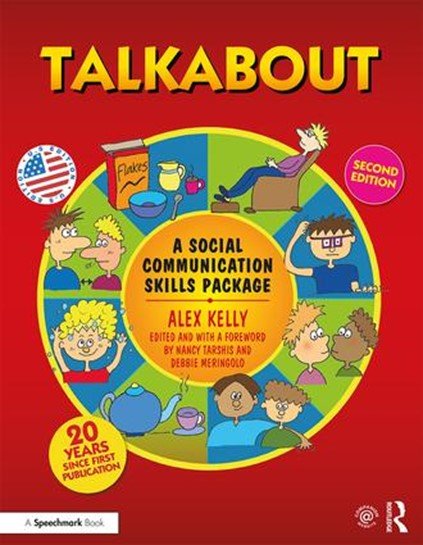
This intervention supports children with developing emotional literacy and the ability to recognise a wide range of emotions in themselves and others, as well as providing them with the ‘tools’ to cope with strong emotions that can cause dysregulation.
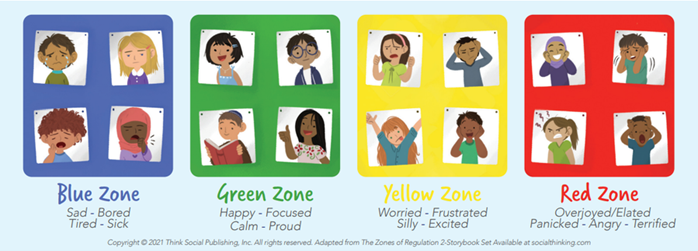
LEGO Therapy is a structured play approach to develop social skills for children. A group of children work together to build a LEGO structure, each have defined roles and follow a set of rules to support this play therapy. Skills developed include sharing, turn-taking, following rules, using names and problem-solving. In addition to this, Lego Therapy is a useful way of supporting children with emotional regulation skills as they get practical experience with different ways to improve their skills or patience, resilience and empathy.
Place2Talk is a universal service for both primary and secondary school children/young people. Sessions can be booked in advance and are delivered by SPM’s (School Project Manager) over lunchtimes. Students can attend sessions on their own or with their peers. Parents can opt out for their children if they wish to do so.
One-to-One Counselling:
Up to 6 sessions of individual therapy are provided per full day in schools. These are mainly facilitated by Counsellors on Placement, but SPMs may also provide therapy to children/young people. Children and young people are offered up to 20 sessions of 1/1 support. Sessions take place in a play therapy room in school.
Group Work:
We provide short-term group work on particular issues such as transition, bereavement, friendship or self-esteem, which has a positive impact on children’s behaviour, attendance and general wellbeing. P2B follow the Journey of Hope program which is an evidence-based psychosocial support program designed to build resilience for children
Parenting Smart:
Place2Be has built an online resource which offers practical advice for parents and carers of primary age children (4-11). Parenting Smart helps parent and Carers enhance their relationships with their children and better understand and manage their children’s behaviour. The large range of articles are concise, engaging and accessible and most include animations as well as text advice. All of the content is created by Place2Be’s parenting experts. It’s based on evidence and Place2Be’s experience of working with children, young people and their families.
Online Parenting skills training (Available from January 2022) :
As part of Place2Be’s universal offer, a supported digital parenting training is available to parents and carers in Place2Be schools. Participants can work though the programme at their own pace and in their own time alongside a group of other parents/carers and with the support of a Place2Be Family Practitioner. The course is interactive and participants are able to contribute comments, feedback and reflections as they go through the course. This is an evidence-based course for any parent or carer who wants to improve their relationship with their child. It is particularly suitable if the child is struggling to manage their strong feelings, and/or has behaviour of concern. It is designed to help parents and carers who want to get better at understanding and managing the behaviour of concern.
Parent Partnership:
As part of the whole school universal offer, Place2Be offer consultative support for all parents/carers in the school. This is known as Parent Partnership. Parent Partnership support can also be offered by Family Practitioners. It is a space for Parents to discuss any concerns they have, this is not a counselling service more of a supporting parent’s approach.
Targeted offer: Personalised Individual Parenting Training (PIPT)
PIPT is an individual parent training intervention developed by the Conduct, Adoption and Fostering Team from South London and Maudsley NHS Foundation Trust. The intervention is aimed at primary aged children with emotional and behavioural difficulties. It aims to promote positive child/parent relationships, to improve prosocial behaviour and to reduce undesirable behaviour. This intervention process consists of between 6 -10 sessions and includes live coaching, modelling, role play and home practice. The service is free and confidential. It is delivered by Family Practitioners, who travel between schools within an Area and work with Parents or Carers on site (or occasionally remotely).
Zones of Regulation
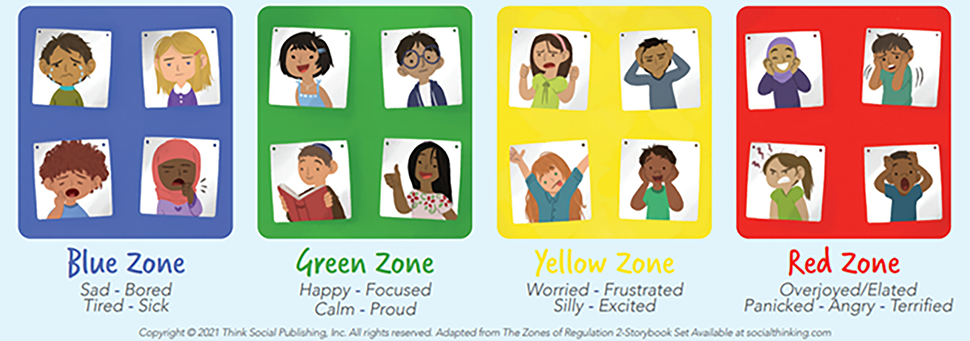
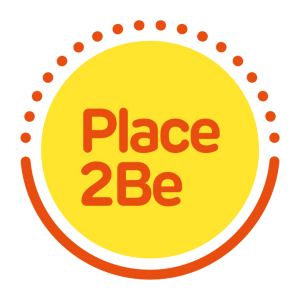
We use the Zones of Regulation at Morley Newlands Academy to support our children to develop their understanding of emotions and effective ways to cope with all the emotions that we face in every day life so that ultimately, they are able to emotionally regulate. The Zones helps us to develop awareness of feelings, energy and alertness levels while exploring a variety of tools and strategies for regulation, prosocial skills, self-care, and overall wellness.
We use Zones visuals like this throughout school and staff have received training in how to incorporate the language of Zones into every day language and communication, so that our children are comfortable with talking about, exploring and managing their emotions using the Zones.
Once we understand our feelings and zones, we can learn to use tools/strategies to manage our different Zones in order to meet goals like doing schoolwork or other tasks, managing big feelings, and healthy relationships with others. The simple, common language and visual structure of The Zones of Regulation helps make the complex skill of regulation more concrete for learners and those who support them.
We are keen to engage with and support families with ways they can also incorporate the Zones at home with the children. We offer group and individual family workshops on the Zones, to provide an opportunity to learn more about them and discuss how they can be used to support your child at home. Please speak to your child’s class teacher, or get in touch with Mrs Graham, our SENCO, via the enquiries email address: [email protected] if you would like to arrange a workshop.
To find out more about the Zones of Regulation, please visit the website: